
Some homes in Sioux Falls, SD deal with cold spots during the winter. Poor airflow from your HVAC system is usually the cause of these cold areas. The room or rooms that lack sufficient airflow will feel colder. Another issue is that cold spots also affect more than comfort.
When warm air escapes or fails to reach certain rooms, your heating system works harder to keep up. That strain often causes higher energy bills during winter. Uneven heating may also shorten the life of your HVAC system. There are four common reasons why your home might have airflow problems.
1. Insulation
Insulation helps keep warm air inside during the winter. In poorly insulated areas, heat escapes faster than the HVAC system replaces it. It’s also easier for cold air to seep in from outside. The result is cold spots in certain areas of the home.
The older your insulation, the more likely you are to have problems. Insulation materials deteriorate over time and lose their ability to trap heat. In addition to age, insulation often has damage that homeowners don’t realize. When moisture from leaks damages insulation, it ruins its ability to retain heat.
Living creatures cause insulation problems, too. Rodents and raccoons shred insulation to build dens. They also burrow into your walls and ducts. All of this damage reduces the efficiency of your insulation.
2. Ductwork
Ductwork is a chain of individual ducts. When your HVAC system heats the air, that ductwork carries it into each room. If even one duct has a problem, airflow may suffer. Leaks, cracks, or disconnected ducts prevent warm air from reaching its destination. That’s when cold spots start to appear.
Poor duct design also creates cold spots. Long duct runs lose heat before the air reaches the room. Sharp turns restrict airflow and reduce pressure. Some rooms sit farther from the air handler and receive weaker airflow. That imbalance leaves these rooms colder during winter.
A duct may disconnect from the other ducts in the system. In this case, heated air ends up in unwanted spaces, such as attics, crawlspaces, and inside walls or ceilings. You may notice that some rooms stay cold despite long heating cycles.
Ductwork may also cause problems when it goes through unheated spaces, like attics, crawlspaces, or basements. When uninsulated ducts travel through cold areas, warm air loses heat before reaching the room. Insufficient sealing around joints lets more heat leak out. These losses reduce airflow and make distant rooms feel colder.
3.Vents
Most rooms in your home have a supply vent that delivers warm air from the ductwork. Furniture, rugs, couches, or beds may block vents without you realizing it. If dust, pet hair, and dirt accumulate in a vent, that also reduces airflow. Blockages keep warm air from circulating and cause cold spots in the affected rooms.
Some homeowners will close the vent if a room isn’t in use. This practice comes from the misconception that closing vents saves energy. What usually happens is that air pressure shifts within the duct system, disrupting airflow. Closing vents often creates temperature differences that lead to cold spots.
4. Furnace
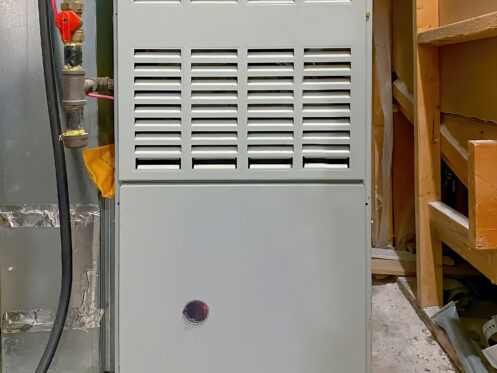
Even a well-maintained furnace loses efficiency after years of constant use. If your furnace is more than 20 years old, you may start to experience cold spots. An old furnace often struggles to distribute heat evenly. Some rooms receive just the right amount of heat, while others lag behind.
You need a furnace that’s the correct size for your home. If you’ve added rooms to your home, your furnace may no longer fit your needs. Cold spots may develop if the furnace is too small for your renovated home.
Think About a Smart Thermostat
A smart thermostat doesn’t solve issues with your insulation, ductwork, or vents. It also won’t remove the need for a new furnace if your current one is outdated. You’ll still need to address those issues, but a smart thermostat helps improve control over your home’s airflow.
Some smart thermostats help regulate cold spots by setting different temperatures in different rooms. You may find this useful, especially if you live in a multilevel home. This change may provide relief for cold spots until you contact an HVAC technician to find the root of your cold spot problem.
Waterbury Heating & Cooling, Inc. provides professional HVAC services in Sioux Falls. Our technicians have the skill and experience to find solutions to your cold spot problem. We are also a reliable source for furnace and AC repair, maintenance, and installation. Call to schedule an inspection of your HVAC system with one of our technicians today.

